


The International Court of Justice ruled on 19 November 2026, by nine votes to six, that Myanmar committed genocide against the Rohingya in northern Rakhine State, in The Gambia v. Myanmar. It is the first time the Court has held a State responsible for committing genocide. In Bosnia v. Serbia (2007), the Court held Serbia responsible only for failing to prevent and punish the Srebrenica genocide, which it did not attribute to Serbia’s own organs. The judgment is final and cannot be appealed.
காம்பியா எதிர் மியான்மார் வழக்கில், வடக்கு ராக்கைன் மாநிலத்தில் ரொஹிஞ்ஞா மக்களுக்கு எதிராக மியான்மார் இன அழிப்புப் புரிந்தது எனச் சர்வதேச நீதிமன்றம் (உலக நீதிமன்றம், International Court of Justice – ICJ) 2026 நவம்பர் 19ஆம் நாள் ஒன்பதுக்கு ஆறு என்ற பெரும்பான்மையில் தீர்ப்பளித்துள்ளது. இன அழிப்பைப் புரிந்ததற்கு ஓர் அரசை நீதிமன்றம் பொறுப்பாக்குவது இதுவே முதல் முறை. பொஸ்னியா எதிர் செர்பியா வழக்கில் (2007), ஸ்ரெப்ரெனிட்சா இன அழிப்பைத் தடுக்கவும் தண்டிக்கவும் தவறியதற்கு மட்டுமே செர்பியாவை நீதிமன்றம் பொறுப்பாக்கியது. அந்த இன அழிப்பைப் புரிந்தது செர்பிய அரசின் அமைப்புகள் என அப்போது நீதிமன்றம் காணவில்லை. இந்தத் தீர்ப்பு இறுதியானது. இதற்கு எதிராக மேன்முறையீடு செய்ய முடியாது.
By nine votes to six, the Court found that Myanmar failed to prevent genocide by individuals acting with its security forces, and by eleven votes to four that it failed to punish genocide. It did not find Myanmar directly and publicly incited genocide. Judge ad hoc Navanethem (Navi) Pillay, chosen by The Gambia, a former President of the International Criminal Tribunal for Rwanda and former UN High Commissioner for Human Rights, voted with the majority on the genocide finding. Judge ad hoc Claus Kreß, chosen by Myanmar, voted against. The Court ordered Myanmar to investigate and, if warranted, prosecute and punish all reasonably suspected persons, to allow displaced Rohingya to return safely and voluntarily, to compensate them, and to report to the Court within two years.
தனது அரச படைகளுடன் இணைந்து இயங்கிய தனியாட்கள் இன அழிப்புப் புரிவதைத் தடுக்க மியான்மார் தவறியது என ஒன்பதுக்கு ஆறு என்ற பெரும்பான்மையிலும், இன அழிப்பைத் தண்டிக்கத் தவறியது என பதினொன்றுக்கு நான்கு என்ற பெரும்பான்மையிலும் நீதிமன்றம் கண்டது. மியான்மார் நேரடியாகவும் வெளிப்படையாகவும் இன அழிப்பைத் தூண்டியது என நீதிமன்றம் காணவில்லை. இந்த வழக்குக்கென மட்டும் காம்பியா தெரிவுசெய்த நீதியரசர் (judge ad hoc) நவநீதம் (நவி) பிள்ளை (Navanethem Pillay), இன அழிப்புத் தீர்ப்பில் பெரும்பான்மையுடன் நின்றார். அவர் ருவாண்டாவுக்கான சர்வதேசக் குற்றவியல் தீர்ப்பாயத்தின் முன்னாள் தலைவரும், முன்னாள் ஐ.நா. மனித உரிமை உயர் ஆணையாளரும் ஆவார். மியான்மார் தெரிவுசெய்த நீதியரசர் கிளோஸ் கிரெஸ் (Claus Kreß) மாறுபட்டார். குற்றம் புரிந்ததாக நேரிய ஐயத்துக்குள்ளான அனைவரையும் உடனடியாக உசாவி, தேவையெனில் வழக்குத் தொடுத்துத் தண்டிக்குமாறு நீதிமன்றம் மியான்மாருக்கு ஆணையிட்டது. இடம்பெயர்ந்த ரொஹிஞ்ஞா மக்கள் பாதுகாப்பாகவும் தன்விருப்புடனும் தமது வாழிடங்களுக்கு மீள இடமளிக்கவும், இழப்பீடு வழங்கவும் வேண்டும். இது பற்றிய அறிக்கையை இரண்டு ஆண்டுகளுக்குள் மியான்மார் நீதிமன்றத்திடம் அளிக்க வேண்டும்.
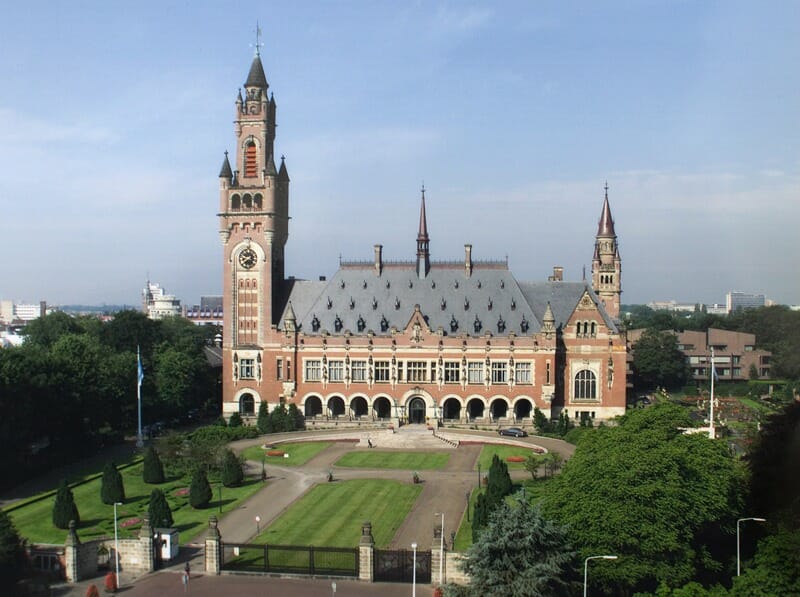
The Peace Palace in The Hague, Netherlands, seat of the International Court of Justice (ICJ)
Reading the judgment, ICJ President Iwasawa Yuji said the Court was “fully convinced” that Myanmar committed acts under the Convention “with an intent to destroy a substantial part of the Rohingya population in Myanmar”. The Court found Myanmar’s security forces killed about 10,000 Rohingya civilians in the 2017 “clearance operations”, perpetrated widespread sexual violence and extreme violence against children, and attacked Rohingya fleeing to Bangladesh. It found the forces sought to prevent births by separating men and women and by killing men and infants. Genocidal intent was the only reasonable inference from the evidence, the Court held. Myanmar had pleaded counter-terrorism.
‘மியான்மாரில் வாழும் ரொஹிஞ்ஞா மக்களின் கணிசமான பகுதியை அழிக்கும் நோக்குடன்’ உடன்படிக்கையின் கீழ் வரும் செயல்களை மியான்மார் புரிந்தது என்பதில் நீதிமன்றம் முழுமையாக உறுதிகொண்டுள்ளது எனத் தீர்ப்பை வாசித்த நீதிமன்றத் தலைவர் இவசாவா யூஜி (Iwasawa Yuji) கூறினார். 2017 ‘துடைத்தழிப்பு நடவடிக்கைகளில்’ மியான்மார் அரச படைகள் ஏறத்தாழ 10,000 ரொஹிஞ்ஞா பொதுமக்களைக் கொன்றன. பரந்த அளவில் பாலியல் வன்முறையும், சிறார் மீது கடும் வன்முறையும் புரிந்தன. பங்களாதேசுக்குத் தப்பியோடியோரையும் தாக்கின. ஆண்களையும் பெண்களையும் பிரித்தும், ஆண்களையும் குழந்தைகளையும் கொன்றும் பிறப்புகளைத் தடுக்கப் படைகள் முயன்றன என நீதிமன்றம் கண்டது. இன அழிப்பு நோக்கமே சான்றுகளிலிருந்து எழும் ஒரே நேரிய உய்த்துணர்வு (inference) என நீதிமன்றம் முடிவுசெய்தது. மியான்மார் ‘பயங்கரவாத ஒழிப்பு’ எனச் சாட்டியிருந்தது.
TamilNet’s observation: The counter-terrorism plea did not shield Myanmar from a genocide finding at the ICJ. The Sri Lankan State would raise the same plea. The late Prof. Francis Boyle, who won the first ICJ orders under the Genocide Convention for Bosnia in 1993, repeatedly urged Eelam Tamils through TamilNet to pursue the ICJ route. If a State filed against Sri Lanka, he was prepared to draft pleadings and argue the case himself. Boyle died in January 2025. Sri Lanka has made no reservation to Article IX of the Convention, so such a case needs no consent from Colombo. For individual criminal responsibility, crimes before 1 July 2002, such as the State-instigated Black July pogrom of 1983 and Chemma’ni in 1996, are beyond the ICC’s reach and need an international criminal tribunal. An IIIM-type mechanism gathering evidence is the foundation for both.
தமிழ்நெற்றின் அவதானிப்பு: ‘பயங்கரவாத ஒழிப்பு’ என்ற சாட்டு சர்வதேச நீதிமன்றத்தில் மியான்மாரை இன அழிப்புத் தீர்ப்பிலிருந்து காக்கவில்லை. சிறிலங்கா அரசும் அதே சாட்டையே முன்வைக்கும். 1993இல் பொஸ்னியா சார்பில் இன அழிப்பு உடன்படிக்கையின் கீழான முதல் ஆணைகளைச் சர்வதேச நீதிமன்றத்தில் பெற்ற மறைந்த பேராசிரியர் பிரான்சிஸ் போய்ல் (Francis Boyle), இந்த வழியைப் பின்பற்றுமாறு தமிழ்நெற் ஊடாக ஈழத்தமிழர்களை மீண்டும் மீண்டும் வலியுறுத்தினார். சிறிலங்கா அரசுக்கு எதிராக வழக்குத் தொட ஓர் அரசு முன்வந்தால், வழக்கு வரைவுகளைத் தானே எழுதி, வழக்கைத் தானே மன்றில் முன்வைக்க அணியமாக இருப்பதாக அவர் கூறியிருந்தார். போய்ல் 2025 ஜனவரியில் காலமானார். இன அழிப்பு உடன்படிக்கையின் IX ஆம் உறுப்புரைக்குச் சிறிலங்கா அரசு எந்த விலக்கீட்டையும் (reservation) செய்யவில்லை. எனவே அத்தகைய வழக்குக்குக் கொழும்பின் இசைவு தேவையில்லை. தனியாள் குற்றப் பொறுப்பைப் பொறுத்தவரை, 1983 கறுப்பு ஜூலை அரசேவு இன அட்டூழியம், 1996 செம்மணி போன்ற 2002 ஜூலை 1 இற்கு முந்திய குற்றங்கள் சர்வதேசக் குற்றவியல் நீதிமன்றத்தின் வரம்புக்கு அப்பால் உள்ளன. அவற்றுக்குச் சர்வதேசக் குற்றவியல் தீர்ப்பாயம் (ICT) தேவை. இரண்டுக்குமான சான்றுகளைத் திரட்ட, சார்பற்ற நடுநிலையான சர்வதேசப் பொறிமுறை (IIIM) போன்ற அமைப்பு அடிப்படையாகும்.
TamilNet’s Substack piece, published yesterday in Tamil, explains why Eezham Tamils should demand the ICJ, an international criminal tribunal, and an IIIM rather than rely on the ICC. A detailed analysis of the Rohingya verdict’s meaning will follow in a separate piece.
சர்வதேசக் குற்றவியல் நீதிமன்றத்தை நம்பியிராமல், சர்வதேச நீதிமன்றம், சர்வதேசக் குற்றவியல் தீர்ப்பாயம், IIIM ஆகியவற்றை ஈழத் தமிழர் ஏன் கோர வேண்டும் என விளக்கும் தமிழ்நெற்றின் சப்ஸ்டாக் கட்டுரை நேற்று வெளியானது. வாசியுங்கள். ரொஹிஞ்ஞா தீர்ப்பின் தாக்கங்கள் பற்றிய விரிவான பகுப்பாய்வு தனிக் கட்டுரையாகப் பின்னர் வெளிவரும்.
Credit: Tamil Net
FORSEA’s Maung Zarni’s Response
ICJ has ruled! Myanmar had commissioned a genocide against Rohingya people and failed to discharge its ‘state responsibility’ to prevent genocide. It also addressed the use of Facebook by Myanmar civil society actors such as Buddhist monks who promoted hatred and the silence of politicians and parties (such as Aung San Suu Kyi and NLD) while the military carried out its genocide against Rohingyas as a protected group under international law.
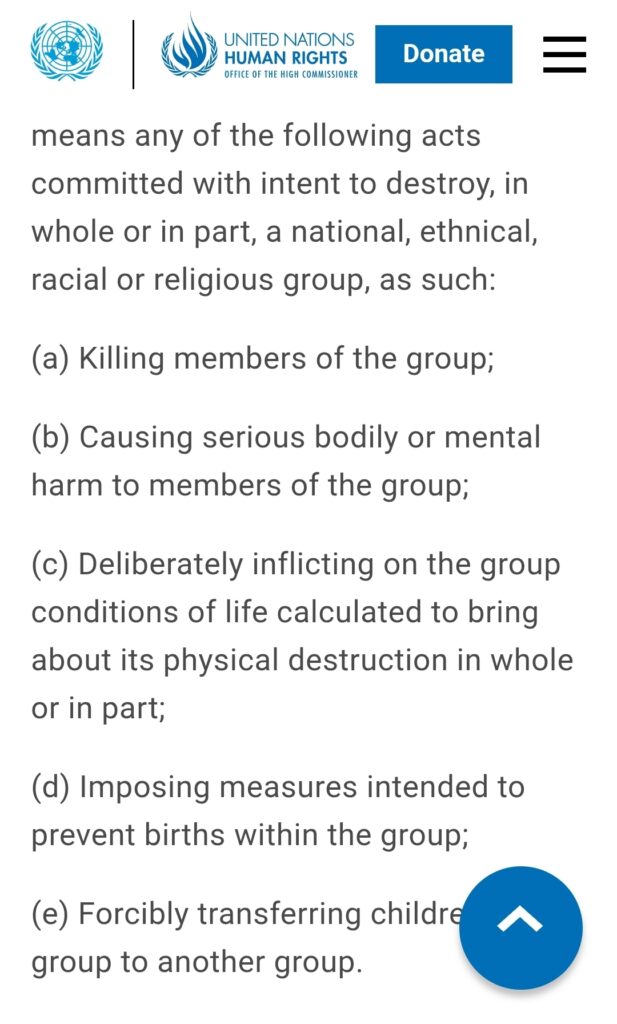
Most significantly, the court has made an intellectual break from its previous unrealistic insistence on “the single intent” of genocide. Other purposes such as forcible displacement or counterinsurgency miliary attacks may coexist with the genocidal intent, its new legal reasoning contents correctly. In “the totality of intent” the scale and spatial spread of Myanmar military op in Rohingya region , the only persuasive inference is Myanmar perpetrated genocide. It is found to be in violation of Genocide Convention Article II a, b & d.
[https://www.ohchr.org/en/instruments-mechanisms/instruments/convention-prevention-and-punishment-crime-genocide]
இன அழிப்புக்கான சர்வதேச நீதி பற்றிய குழப்பங்களும் தெளிவுகளும் – பகுதி 1
ICJ press release, 19 November 2026:
The Log – Telegram: https://t.me/tamilnetcom/
The Record – Website: https://www.tamilnet.com/
Founder’s Column – Substack: https://tamilnet.substack.com/
